

Freight Market Update June 2026
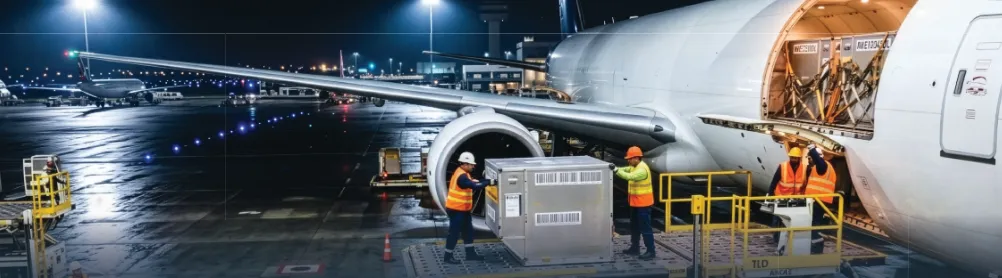
Please find below our latest shipping and air freight market update for Australian retail importers covering China, South East Asia and the Indian Sub-Continent together with the broader impact of the ongoing Middle East conflict on global logistics networks.
The current market remains operational and manageable; however, increasing bunker fuel costs, Asian transhipment hub congestion and geopolitical instability are creating upward pressure on freight rates and reducing schedule reliability across several trade lanes.
2. South East Asia Australia
Container Shipping Overview
The South East Asia to Australia market remains more operationally sensitive because a significant percentage of cargo tranships through Singapore, Port Klang and Tanjung Pelepas.
While export demand from Vietnam, Thailand, Malaysia and Indonesia remains
healthy, congestion and transhipment delays at regional hubs continue impacting overall transit reliability.
Carriers are also applying additional bunker and operational recovery surcharges as fuel costs increase following instability in the Middle East.
Current Market Conditions
- Congestion continues at Singapore and Malaysian transhipment hubs
- Increased risk of rollover for connecting cargo
- Transit times remain inconsistent on some services
- Bunker fuel increases flowing into freight rates
- Capacity generally available but tighter on peak sailings
Customer Guidance
- Build additional lead time into supply chain planning
- Expect occasional transhipment-related delays
- Secure bookings early during retail peak periods
- Review supplier cargo readiness carefully to minimise missed connections
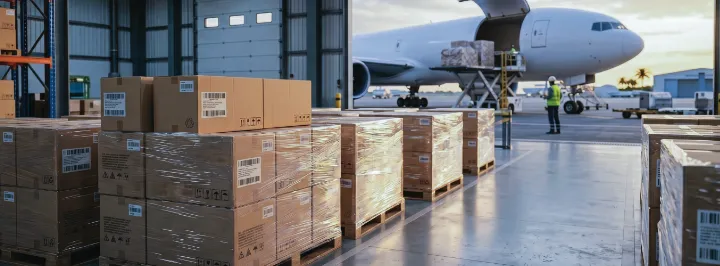
3. Indian Sub-Continent Australia
Container Shipping Overview
The Indian Sub-Continent market covering India, Bangladesh, Sri Lanka and
Pakistan remains operational; however, transit reliability continues to fluctuate due to heavy reliance on regional transhipment hubs.
Apparel, textile and footwear exports remain strong, supporting relatively healthy
vessel utilisation levels across the trade.
The market is stable but fragile, with carriers continuing to review rate restoration programs and fuel-related surcharges.
Current Market Conditions
- Transit reliability remains inconsistent on some services
- Colombo and Singapore hub dependency remains a key operational risk
- Carriers continuing rate restoration initiatives
- Equipment availability tighter from some origins
- Fuel and war-risk costs creating upward pressure on rates
Customer Guidance
- Avoid planning retail launches around one fixed ETA
- Build inventory buffers for fast-moving SKUs
- Monitor booking cut-offs carefully during peak periods
- Consider alternate routing options where commercially viable
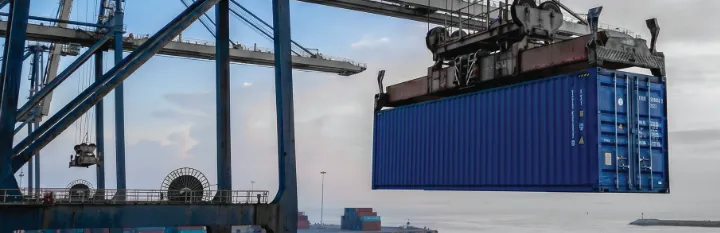
4. Impact of Middle East Conflict on Ocean Freight & Air Cargo
The ongoing Middle East conflict continues creating uncertainty across both ocean freight and air cargo markets.
While global shipping services remain operational, carriers and airlines are actively adjusting routing strategies, fuel programs and operating networks to minimise risk exposure.
The largest immediate impact is currently fuel-related, with higher bunker and
aviation fuel costs flowing into both ocean and air freight pricing.
Ocean Freight Impact
- Higher bunker fuel costs across most global trade lanes
- Additional carrier recovery surcharges are being implemented
- Increased operational risk around Middle East routing corridors
- Some vessel schedule adjustments and slower steaming programs
- Pressure on Asian transshipment hubs as cargo routing patterns change
Air Freight Impact
Commercial airlines and cargo operators continue experiencing operational
disruption linked to restricted or higher-risk Middle East airspace corridors.
Some airlines are avoiding conflict-sensitive zones completely, resulting in longer routings, reduced aircraft utilisation and increased fuel burn.
Overall Market Outlook
The market is currently best described as stable but fragile. Although there is no major supply chain crisis at present, customers should continue planning conservatively as the following risks remain elevated:
- Fuel-related freight increases
- Asian transshipment congestion
- Schedule reliability challenges
- Geopolitical instability
- Potential carrier blank sailings
- Air freight capacity fluctuations
Current Air Cargo Conditions
- Fuel surcharges continue increasing
- Capacity tightening on selected routes
- Longer transit routings impacting uplift availability
- Premium rates continuing for urgent retail replenishment cargo
- Increased volatility expected over coming months
Recommendations for Retail Importers
- Forecast and book cargo early
- Maintain inventory flexibility and safety stock
- Diversify carriers and routing options where possible
- Avoid relying on one shipment for critical launch dates
- Use air freight strategically for urgent or high-margin cargo only
- Maintain close communication with suppliers and logistics partners
We will continue closely monitoring the market and will provide further updates
should there be any significant changes affecting capacity, freight rates or
operational performance.
We’ve negotiated competitive rates and secured space in advance, so your cargo is ready to move safely and without delay. Get in touch before 15 June to lock in our special rates.
This Insights may also be of interest to you.
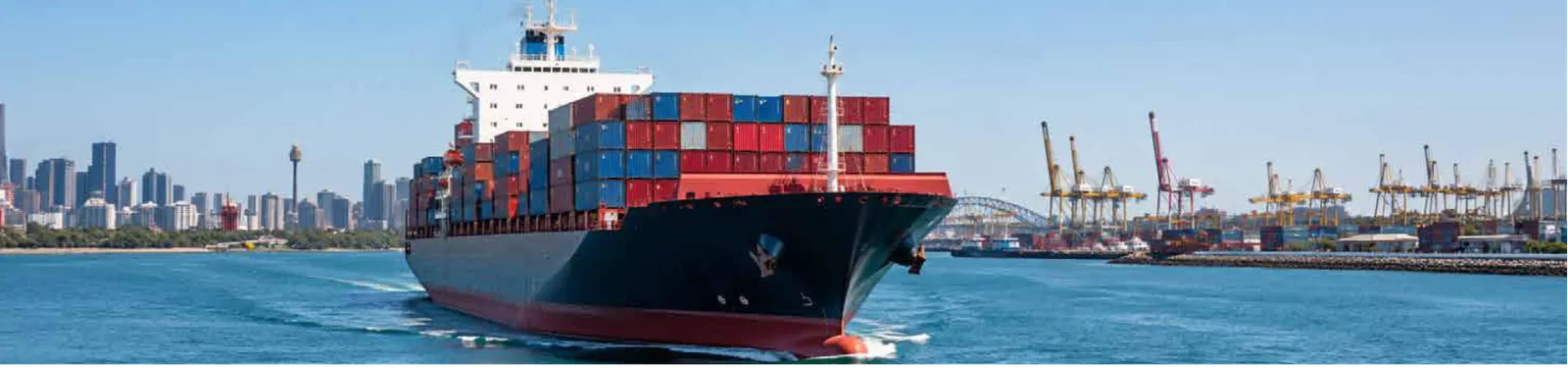
Freight Market Update - September 2026
The Asia to Australia freight market is entering September with one clear message for importers: the market is manageable, but only if planning starts early.
Freight Market Update - October 2026
Asia to Australia freight enters October with an unusual combination: port queues at major Asian gateways are easing, but global schedule reliability has fallen to its weakest level in four years.
Freight Market Update - August 2026
Rates are levelling off. Space, schedule and destination port risk have not.

Read the Game - Winning Against Detention and Demurrage
Demurrage runs while your container sits at the port. Detention runs once it leaves. Two clocks, both costing you money, and most importers only find out when the invoice lands.
